** As an Amazon Associate we earn from qualifying purchases.

Books & Guides
A reading corner for slow mornings, curious afternoons and quiet evenings. Sometimes we read to learn, sometimes for inspiration, and sometimes simply to have a little space to ourselves.
BOOKS
-
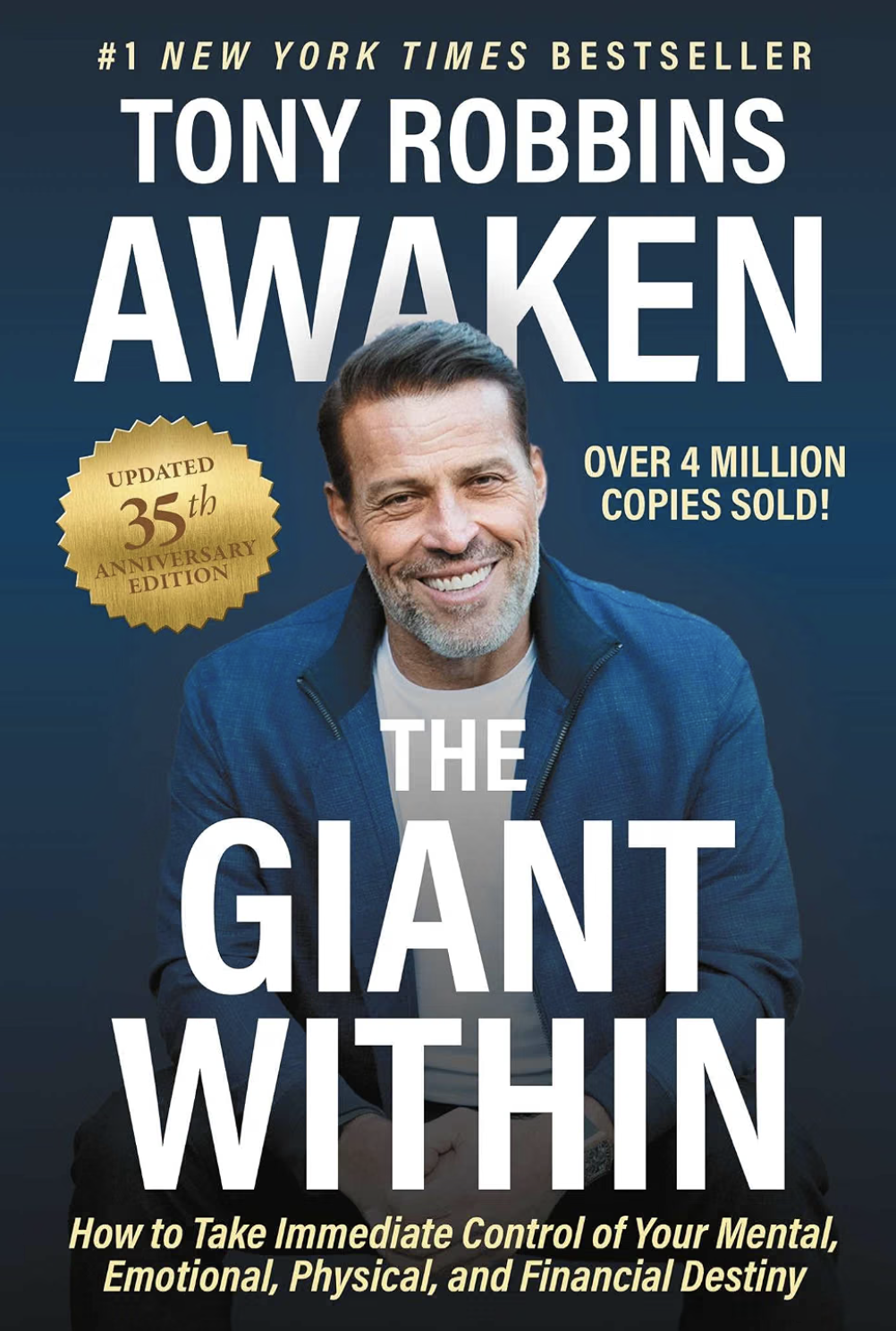
![Book cover of "The Giant Within" by Tony Robbins, with a smiling man in a blue jacket, gold badge indicating 35th anniversary edition, and additional text about the book's success and content.]()
Explores how beliefs, decisions, habits and emotional patterns shape the way we live. Tony Robbins focuses on taking greater control of these areas, with practical methods for changing limiting behaviours, managing emotions and creating stronger personal standards. The book connects mindset with relationships, health, work and long-term goals, making it less about temporary motivation and more about building lasting change from the inside out.
-
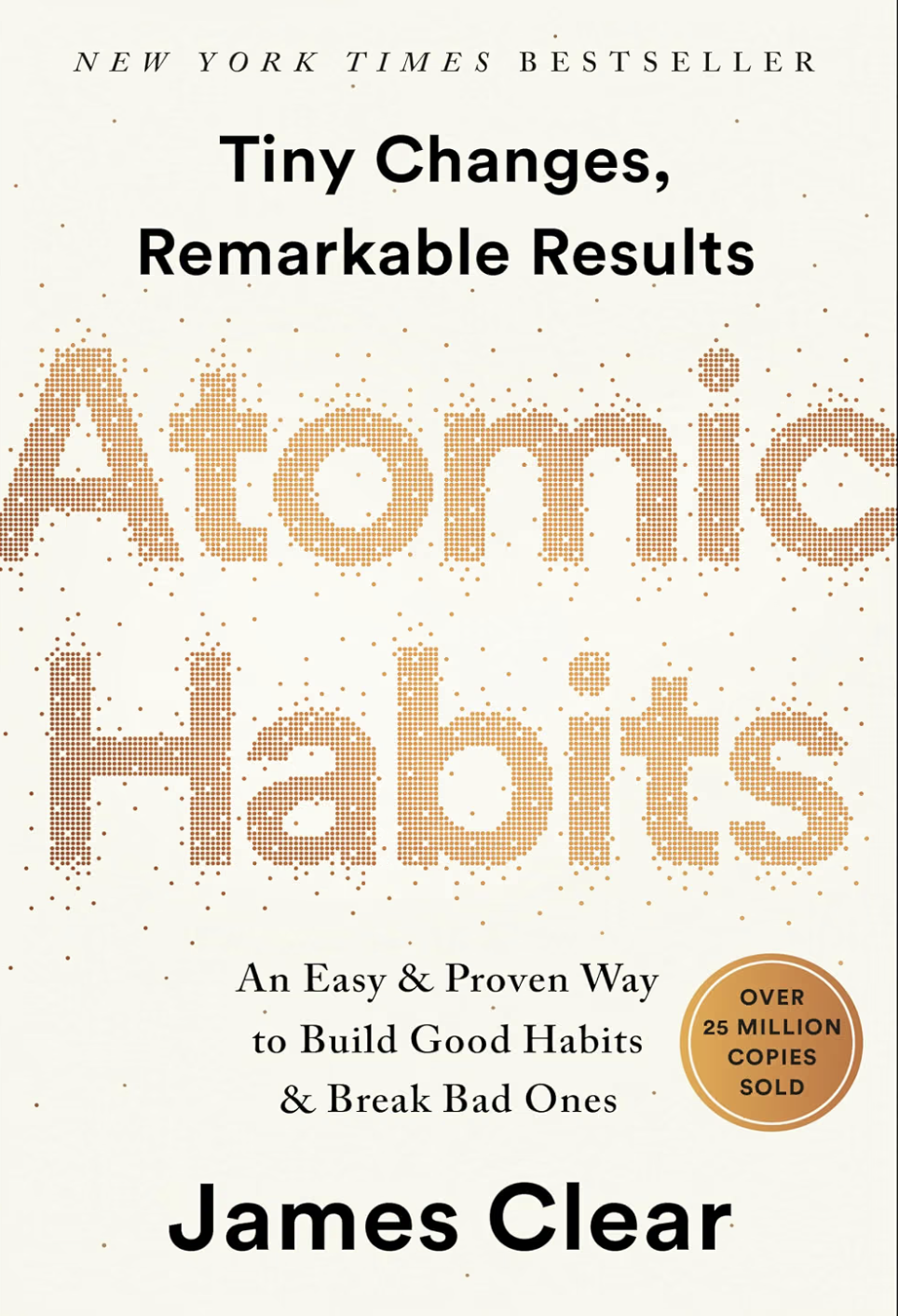
![Cover of the book titled "Atomic Habits" by James Clear, described as a New York Times bestseller with a focus on small changes and remarkable results, featuring a subtitle about building and breaking habits, and a badge indicating over 25 million copies sold.]()
James Clear shows how small, repeated actions can compound into meaningful change over time. He explains how habits are formed through cues, cravings, responses and rewards, and introduces practical ways to make good habits easier while making unwanted ones harder to follow. The book also looks at identity, environment and consistency, showing that lasting improvement often comes less from dramatic goals and more from building simple systems that support the person we want to become.
-
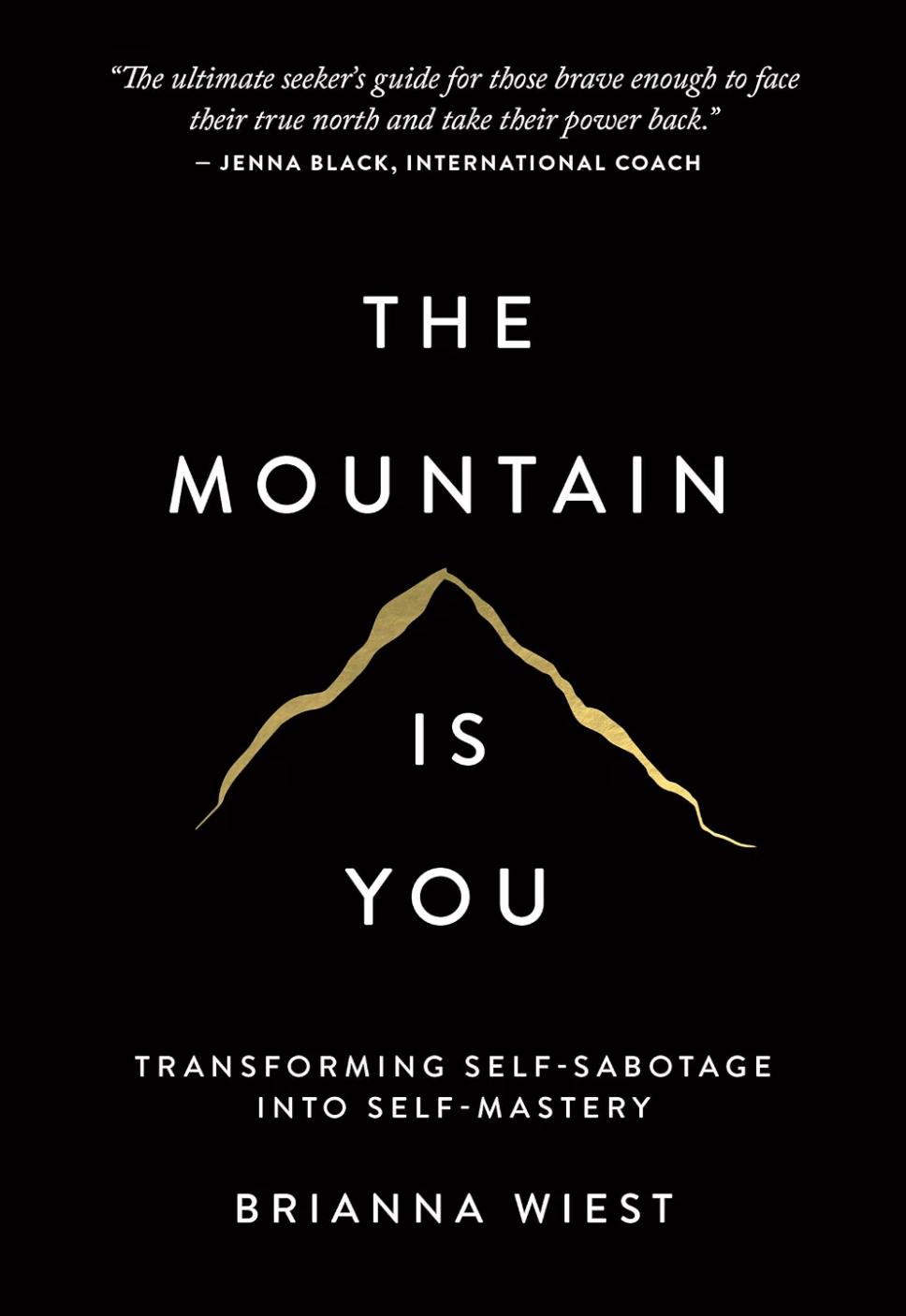
![Book cover titled 'The Mountain is You' by Brianna Wiest, featuring a gold outline of a mountain and a quote at the top.]()
Explores the inner patterns that can quietly hold us back, from self-sabotage and fear to emotional habits we may not recognise. Brianna Wiest looks at how self-awareness, emotional resilience and personal responsibility can help break these cycles and create lasting change. The book examines why we sometimes resist what is good for us, how past experiences shape present behaviour, and how greater clarity and self-mastery can help us move forward.
-
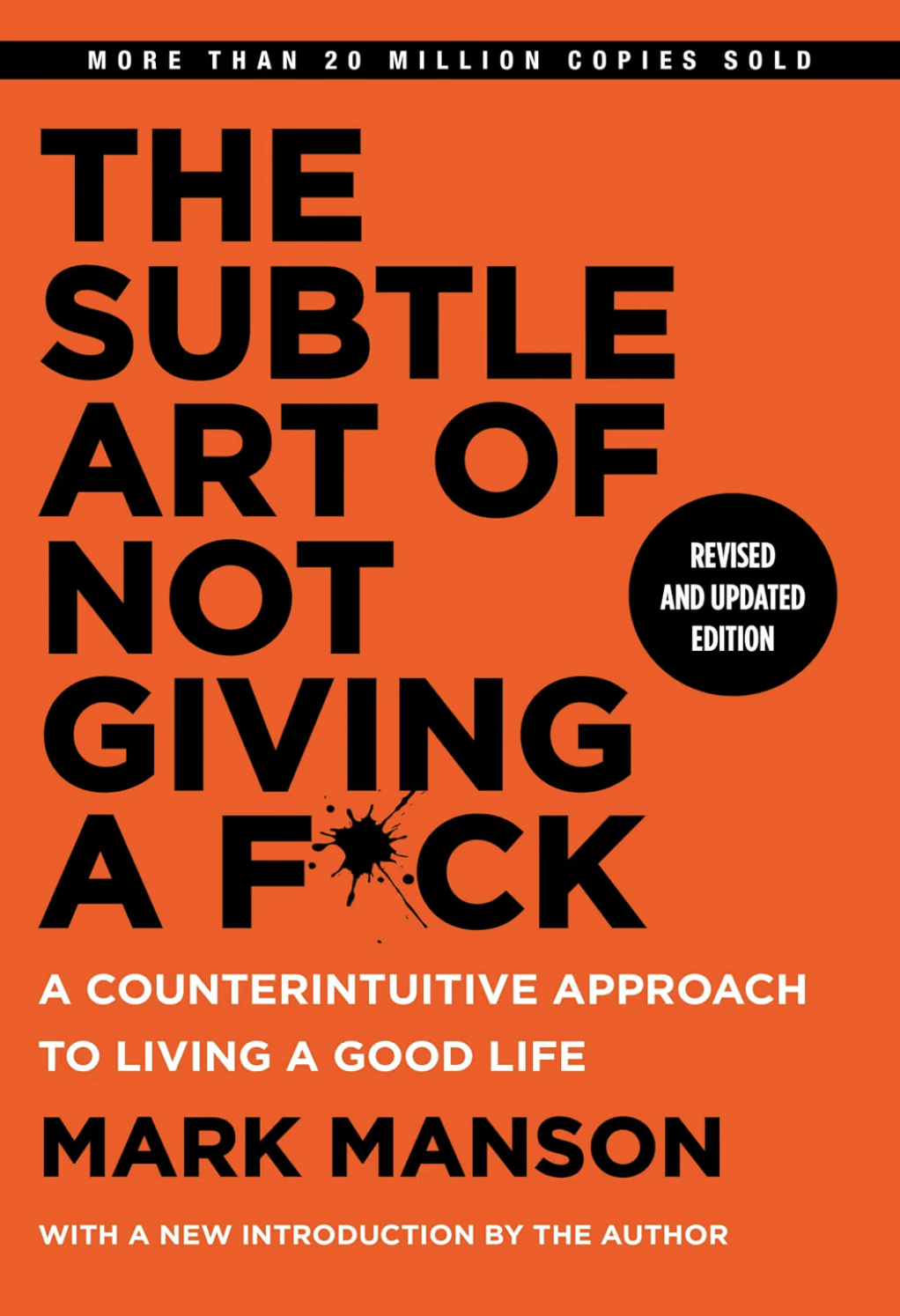
![Book cover with orange background and large black text that reads, "The Subtle Art of Not Giving a F*ck" by Mark Manson, with a black circle that says "Revised and Updated Edition" and a black ink splatter replacing the letter 'u' in the word 'fuck'.]()
Mark Manson challenges the idea that a good life comes from constant positivity or caring about everything. He focuses instead on choosing what genuinely matters, accepting limits, taking responsibility and becoming more comfortable with uncertainty and failure. The book also looks at how our values shape the problems we choose to face, arguing that a more meaningful life comes from directing our attention and energy toward what is genuinely worth caring about.
-
![Book cover titled "Rich Dad Poor Dad" by Robert T. Kiyosaki, featuring a smiling man in a brown blazer with a purple background. A gold badge indicates the book celebrating 25 years as a top personal finance book, with additional text about teaching kids about money.]()
Looks at the way different beliefs about money can shape financial decisions over a lifetime. Robert Kiyosaki focuses on financial literacy, the difference between assets and liabilities, and the importance of building income beyond a salary. Through contrasting lessons from two father figures, the book encourages readers to question conventional ideas about work, security and wealth, and to think more deliberately about how money is earned, managed and put to work.
-
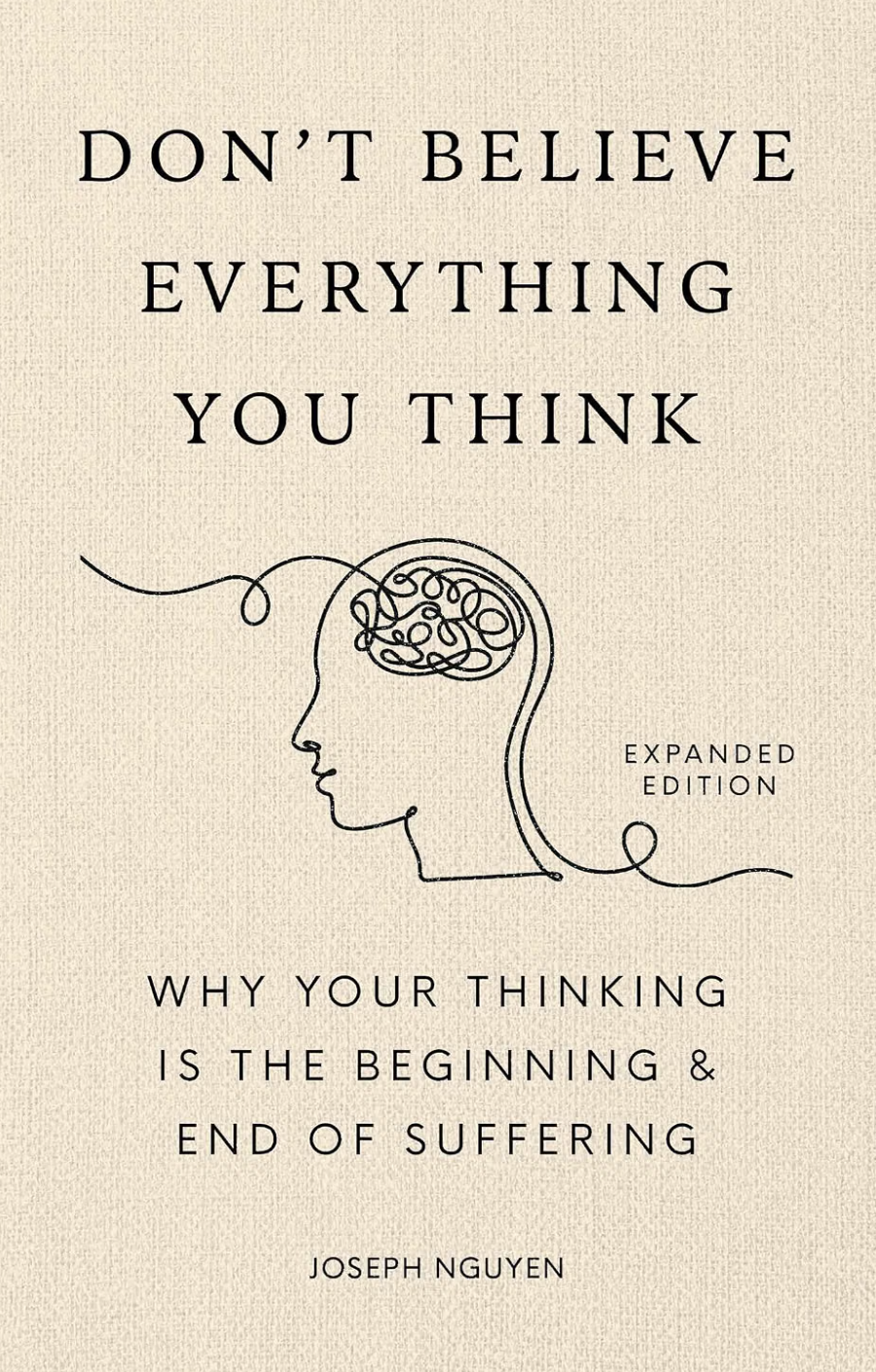
![Book cover with the title "Don’t Believe Everything You Think" and the subtitle "Why Your Thinking Is The Beginning & End Of Suffering," by Joseph Nguyen. The cover features a minimalist line drawing of a woman's profile with a tangled line inside her head.]()
Our thoughts can feel like facts, yet Joseph Nguyen argues that much of our suffering begins when we automatically believe and engage with everything the mind produces. He looks at the habit of overthinking and how greater awareness can loosen the grip of fear, anxiety and self-doubt. The book encourages a quieter relationship with the mind, where clarity comes less from controlling every thought and more from learning not to follow each one.
-
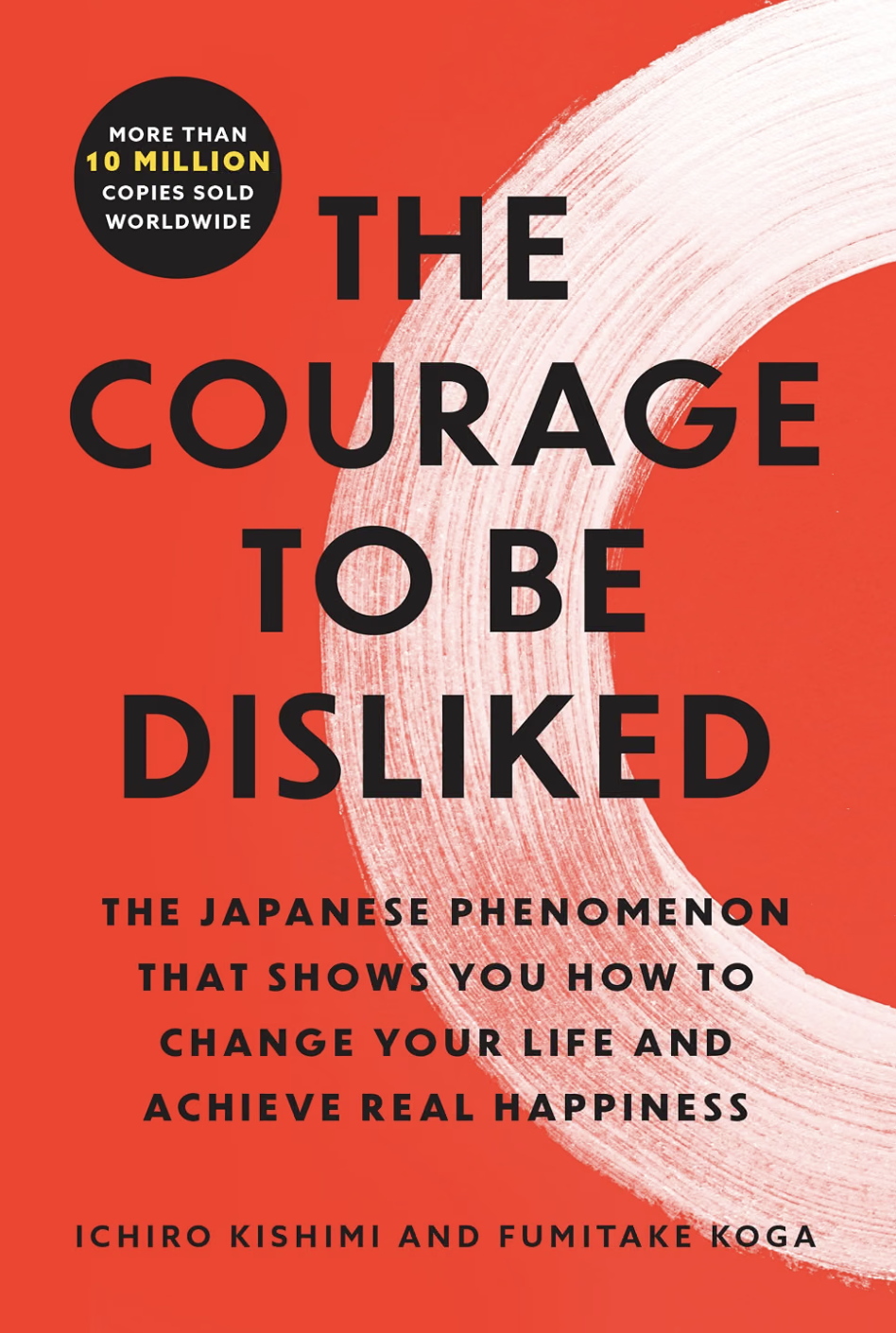
![Book cover for "The Courage to Be Disliked" by Ichiro Kishimi and Fumitake Koga, with a red background, black and white text, and a large white brushstroke design.]()
Explores how our need for approval, fear of judgement and past experiences can shape the way we see ourselves and relate to others. Through a dialogue based on Adlerian psychology, Ichiro Kishimi and Fumitake Koga examine ideas around personal freedom, responsibility, relationships and the courage to live by our own values. The book challenges the belief that our past must define us, and encourages a more independent way of thinking about happiness, self-worth and change.
-
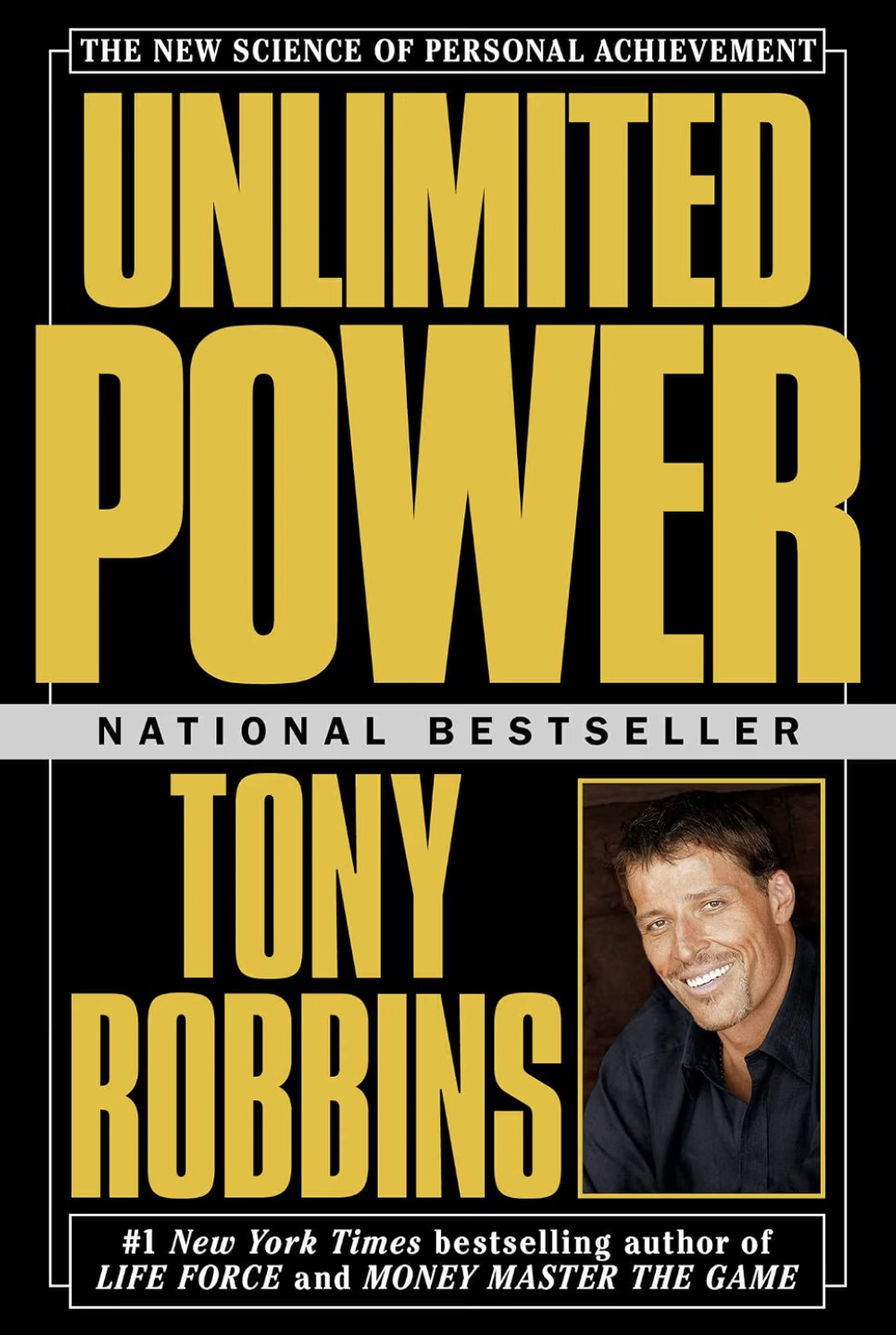
![Book cover of 'Unlimted Power' by Tony Robbins, featuring a photo of Tony Robbins smiling in a black shirt, with the title in large yellow font, and the subtitle 'The New Science of Personal Achievement' at the top.]()
Explores how thoughts, beliefs, language and physical state can influence behaviour and performance. Tony Robbins draws on ideas from neuro-linguistic programming and psychology to show how limiting patterns can be changed, communication strengthened and successful strategies learned from others. The book connects mindset with relationships, health, leadership and achievement, with a strong emphasis on greater self-awareness and more deliberate action.
-
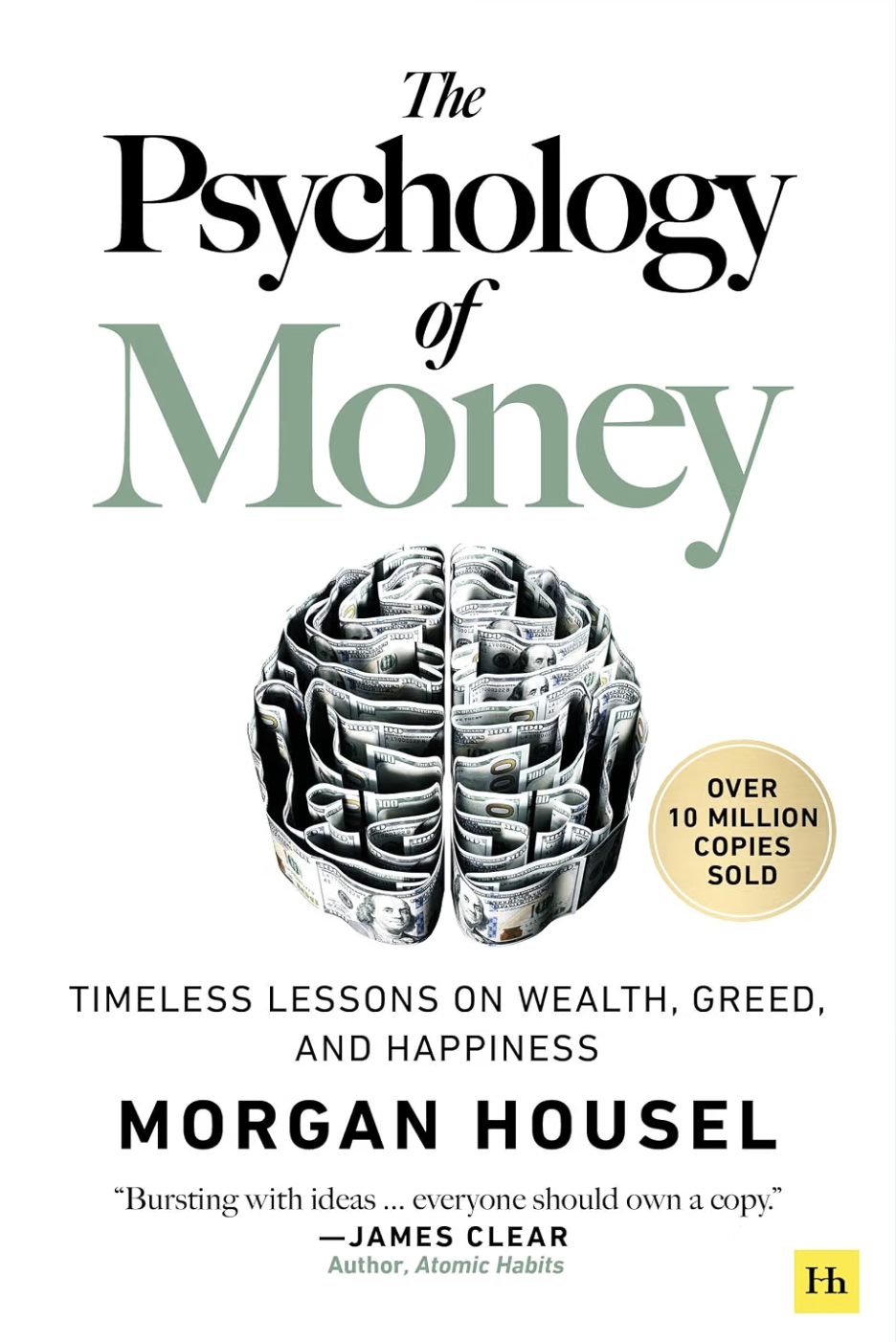
![Book cover titled "The Psychology of Money" by Morgan Housel, featuring a brain made of rolled $100 bills, with a subtitle "Timeless lessons on wealth, greed, and happiness" and a quote from James Clear.]()
Morgan Housel looks at money through behaviour rather than formulas, showing how personal history, emotions and expectations shape the choices we make. Through short stories and examples, he examines saving, investing, risk, luck, patience and the idea of “enough.” The book argues that financial success depends as much on how we think and behave as what we know, and that wealth is often built through consistency, perspective and avoiding decisions driven by fear, greed or comparison.
-
![Book cover titled 'The Rules of Work: A Definitive Code for Personal Success' by Richard Templar.]()
Richard Templar sets out practical rules for navigating work with more confidence and awareness. He covers professionalism, communication, reputation, workplace relationships and the small behaviours that influence how others see us. Rather than treating success as simply working harder, the book focuses on understanding office dynamics, presenting yourself well, handling difficult situations and making smarter choices that can shape how your career develops.
-
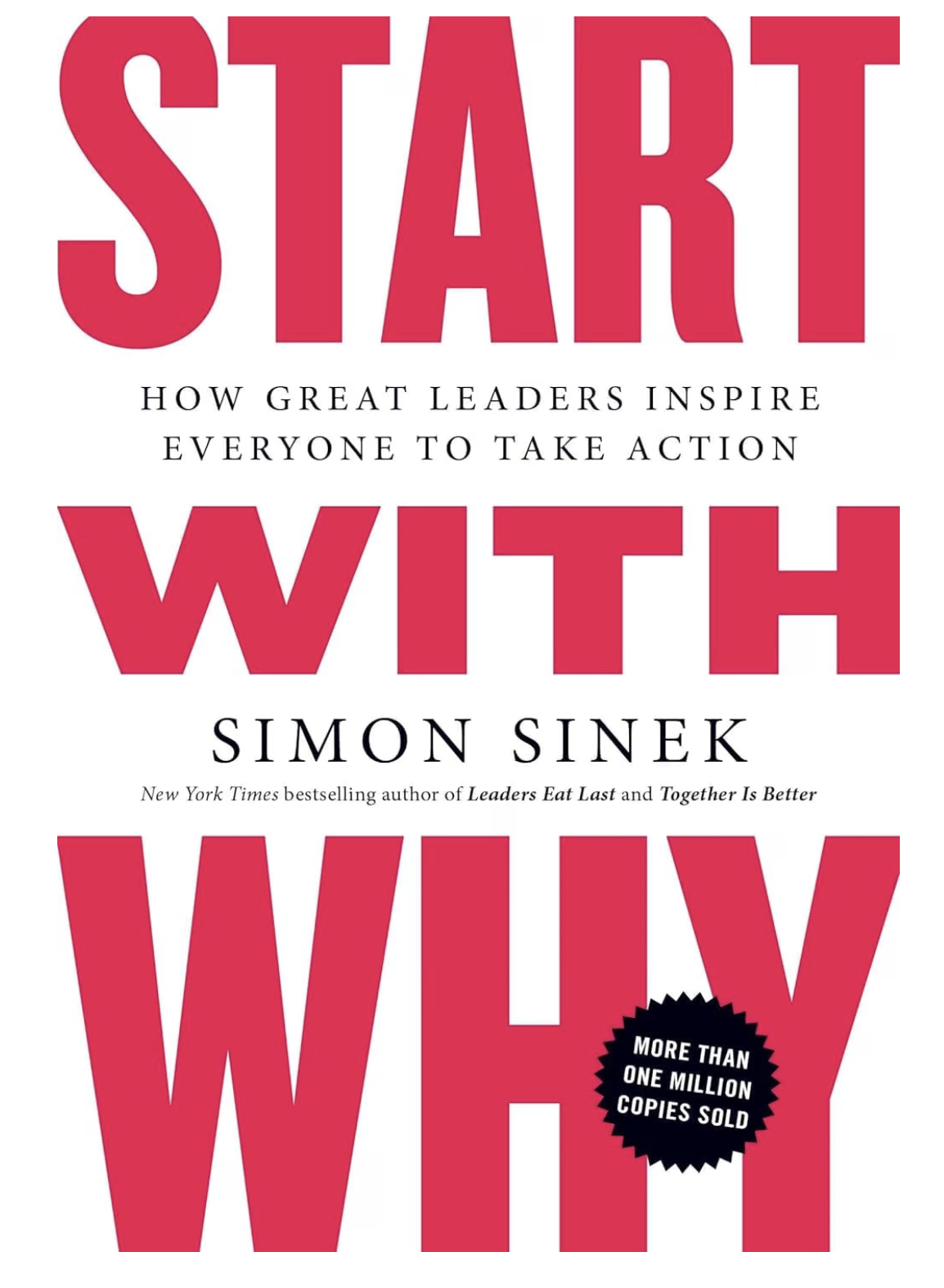
![Book cover of 'Start with Why' by Simon Sinek, featuring large pink text on white background with the subtitle and author information in smaller black text.]()
At the heart of Simon Sinek’s idea is a simple question: why do some leaders and organisations inspire people while others struggle to create the same loyalty? Using his “Golden Circle” framework, he looks at the difference between what we do, how we do it and why it matters. The book focuses on purpose, leadership, communication and trust, showing how a clear sense of why can shape decisions, strengthen teams and inspire people to take action.
-
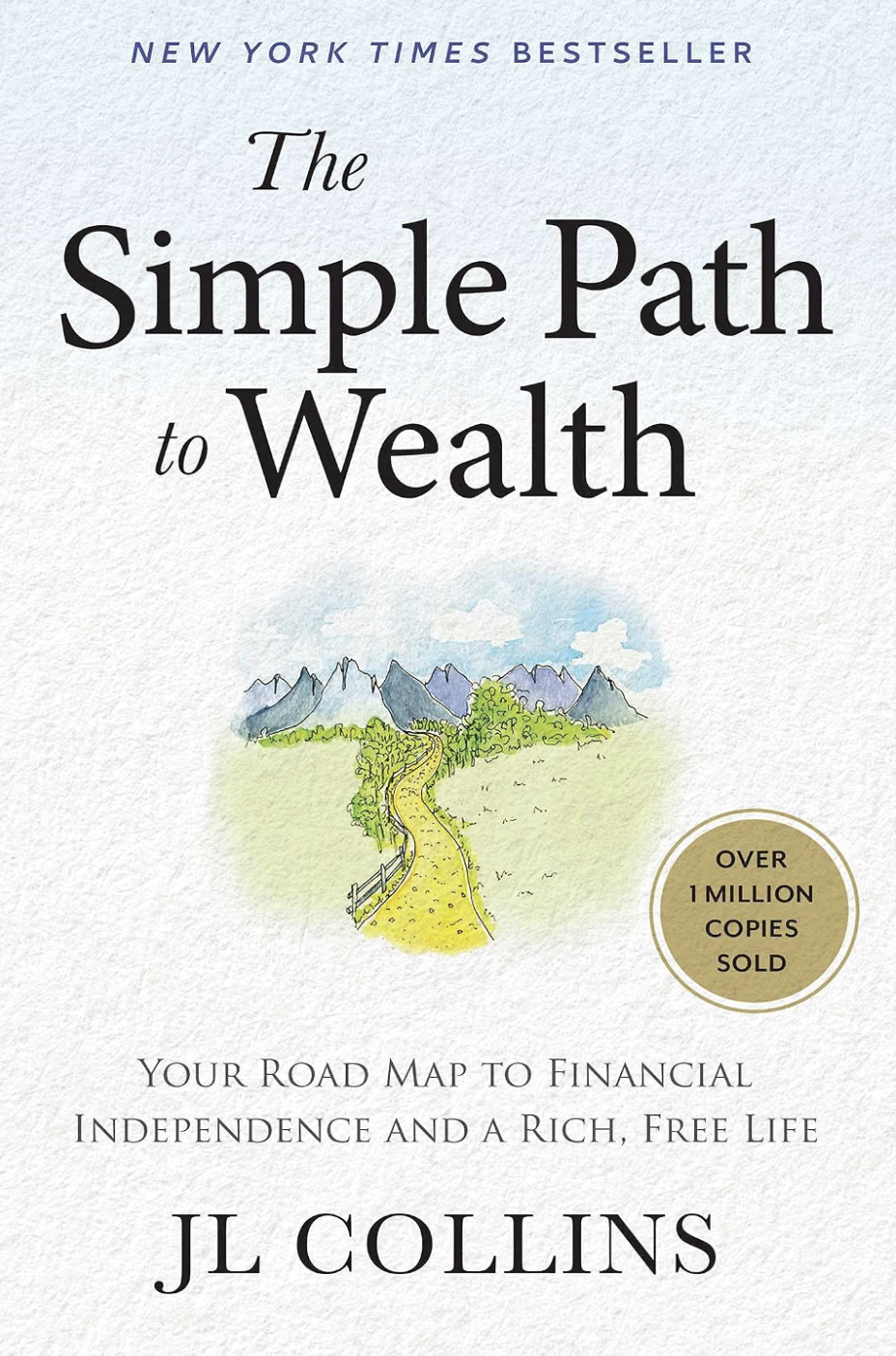
![Book cover titled "The Simple Path to Wealth" with a drawing of a winding yellow road through green hills and mountains in the background.]()
Built around the idea that wealth does not need to be complicated, JL Collins lays out a straightforward approach to saving, investing and reaching financial independence. He explains the role of low-cost index funds, debt, market ups and downs and the importance of living below your means. The book keeps the focus on simplicity and long-term discipline, showing how fewer financial decisions and a clear strategy can create more freedom, flexibility and control over the way we choose to live.