
Not Every Vacuum Fits Every Home
** As an Amazon Associate we earn from qualifying purchases.
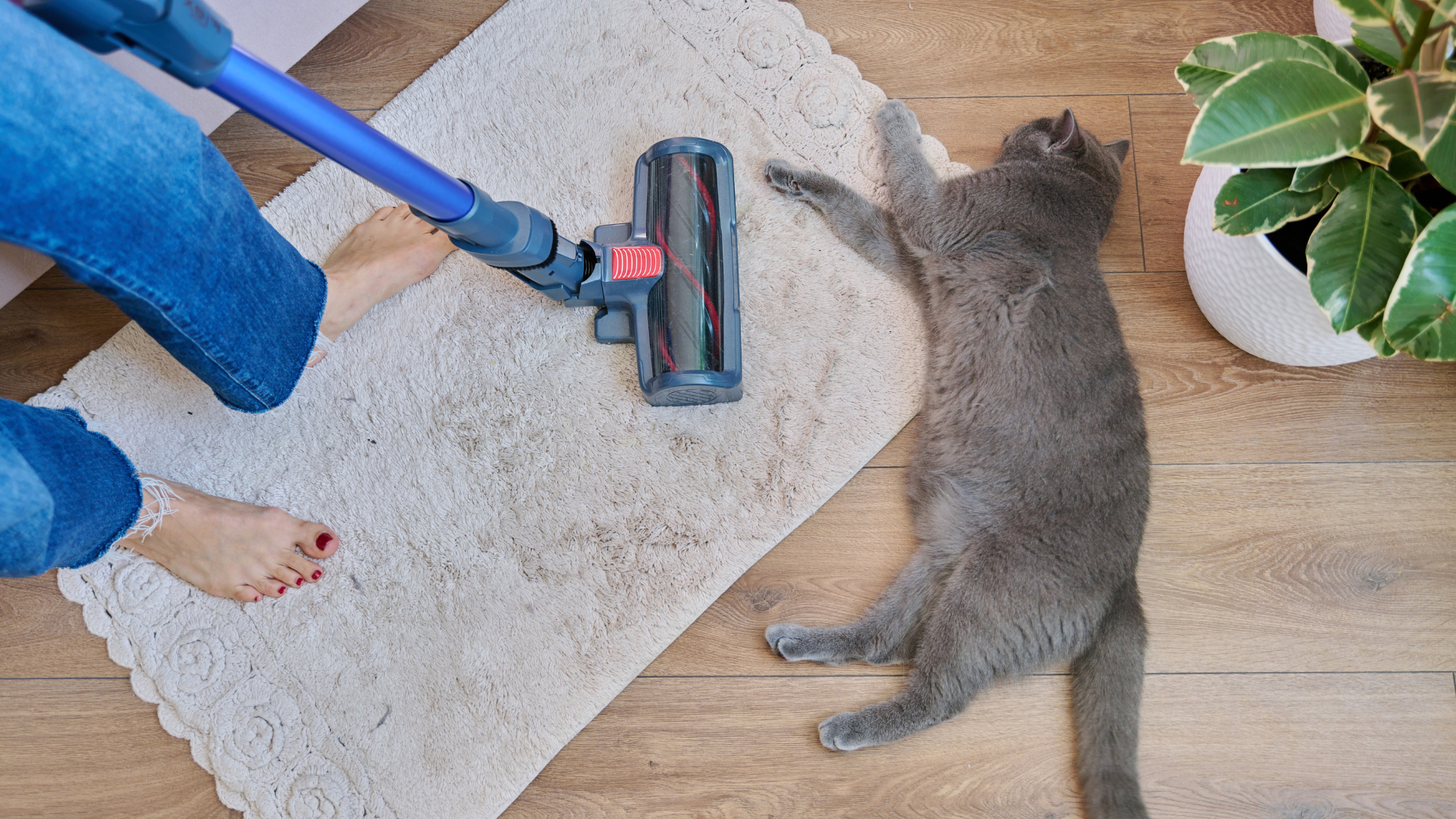
** Everyday cleaning, with a little company nearby.
A vacuum can be excellent in one home and completely frustrating in another.
Someone with mostly hard floors may want something light enough to grab whenever crumbs or hair appear. A carpeted home may need stronger brush action. Stairs change the importance of weight. Pets make upholstery and tangled hair part of the cleaning routine. And a large home cleaned once a week asks something very different from a smaller space that gets quick touch-ups every day.
That is why I would not begin with the vacuum that has the strongest suction or the longest feature list.
Start with your floors, the mess you deal with most often and the way you actually clean.
Start With What Is Under Your Feet
Flooring is one of the easiest ways to narrow down the choice.
If most of your home has hard flooring, everyday cleaning is often about dust, hair, crumbs and small debris. A vacuum that moves easily around furniture and picks those up without pushing them across the floor may matter more than having the strongest possible suction.
Carpet needs something different. Hair and dirt can settle further into the fibres, so the cleaning head and brush roll become much more important.
Then there are homes with a mixture of tile, wood, rugs and carpet. In that case, I would pay attention to how easily the vacuum moves from one surface to another. Having to stop and make several adjustments every time you cross the room can become irritating surprisingly quickly.
The best place to start is simply the floor you clean most often.
Cordless Works Best When You Like to Clean as You Go
The biggest advantage of a cordless vacuum is not necessarily power.
It is how easy it is to reach for.
Crumbs under the dining table, hair along the hallway, dust beside the sofa or something tracked through the front door can be dealt with quickly without finding a socket or bringing out a larger machine.
If that sounds like the way you normally clean, cordless can be very convenient.
Battery life becomes more important if you prefer cleaning the entire home in one session. A maximum runtime may look generous on the product page, but the vacuum may run for considerably less time at stronger settings.
So rather than asking only how long the battery lasts, ask:
Will it last long enough for the way I clean?
For a smaller home or regular touch-ups, the answer may easily be yes.
For a larger home with plenty of carpet, a corded vacuum may still be the simpler option.
Weight Matters Beyond the Floor
A vacuum can feel light while gliding along the floor and much heavier once you start carrying it.
Think about the places you actually clean.
Are there stairs?
Do you vacuum the sofa?
Would you use the handheld part on shelves or inside the car?
Will the vacuum need to be carried between different levels of the home?
Many cordless models place the motor and battery close to your hand, which can make them easy to steer but more tiring when held up for longer periods.
This is one of those things that is difficult to understand from a photograph.
The vacuum has to work with the person using it, not just with the floor.
Think About Where the Mess Usually Ends Up
Not everything that needs vacuuming is on the floor.
Hair gathers on sofas. Crumbs disappear between cushions. Dust collects along edges. Cars somehow develop their own supply of grit and debris.
Attachments become useful when they solve those real problems.
A crevice tool can reach between cushions and along narrow edges. An upholstery attachment can make fabric surfaces easier to clean. A small powered brush can help when hair regularly collects on sofas, mattresses or car seats.
But more attachments do not automatically make a vacuum better.
Look at what comes with the machine and ask yourself where you would actually use each piece.
If you cannot think of anywhere, it will probably spend most of its time in storage.
Pets Change What Matters
A pet can completely change the cleaning routine.
Hair may be on the floor, but it is just as likely to be on rugs, furniture, bedding and places you did not expect it to reach.
If pet hair is part of everyday life, I would look beyond a vacuum simply being labelled for pets.
How well does the brush pick up hair from the surfaces in your home?
Can you easily clean hair from the roller afterwards?
Is there a useful attachment for the sofa or other soft furnishings?
Long human hair creates many of the same problems.
A vacuum that removes hair beautifully but then requires a lengthy session with scissors to clean the roller has only moved part of the work somewhere else.
When Vacuuming and Mopping Together Makes Sense
If much of the home has sealed hard flooring, a wet/dry floor cleaner can make a very repetitive routine shorter.
Instead of vacuuming loose debris and then starting again with a mop, these machines can collect everyday dirt while washing the floor at the same time.
That can be useful in kitchens, dining areas and other places where crumbs and marks tend to appear together.
But it is not automatically a better choice.
There is usually more cleaning to do after using the machine because dirty water, rollers and damp parts need attention. And if much of your home is carpeted, it may solve only a small part of the overall cleaning job.
I would consider one when your normal thought is:
I have just vacuumed all these hard floors, and now I need to mop the same area.
If that happens regularly, combining the two jobs may genuinely save time.
A Robot Vacuum Solves a Different Problem
A robot vacuum is less about bringing out a machine when the floor is dirty and more about preventing everyday dirt from building up as quickly.
That can be useful when there is a steady supply of dust, crumbs or hair and you would rather have something maintaining the main floor between deeper cleans.
Hard, open floors are generally the easiest environment for a robot to move around.
But there are still jobs it cannot take care of.
Stairs need another solution. Sofas still need cleaning. Corners and awkward areas may need attention, and carpet can be more demanding.
So rather than expecting a robot to replace every other vacuum, it may make more sense as part of the routine.
It keeps up with the everyday floor cleaning while another vacuum handles the jobs it cannot reach.
Sometimes One Vacuum Is Enough, Sometimes It Is Not
There is no reason every home needs several vacuum cleaners.
If your flooring is straightforward, storage is limited and one machine handles the jobs you regularly do, that may be all you need.
But there are homes where two simpler machines work better than one complicated one.
A larger corded vacuum might handle carpet and the main weekly clean, while a cordless stick deals with quick everyday messes.
A robot might maintain the main floor, while a smaller vacuum handles stairs and furniture.
A handheld model may be enough if the additional cleaning is mainly the sofa or car.
The point is not to collect appliances.
It is to avoid paying more for one machine because it promises to do everything when your home only needs it to do a few important things well.
The Small Details Become Bigger With Use
After the first few weeks, you may stop thinking about the impressive features that attracted you to the vacuum and start noticing completely different things.
Is the dustbin easy to empty?
Does it fill too quickly?
Can the roller be removed when hair gets wrapped around it?
Is the filter easy to clean?
Where does the vacuum charge?
Is there somewhere sensible to store it?
Does the noise bother someone who is working or resting nearby?
If you particularly dislike handling dust, you may also prefer a bagged vacuum because the collected dirt stays contained when the bag is removed. A bagless design avoids buying replacement bags, but emptying the bin can release some of the fine dust again.
These details are not usually the ones that sell the vacuum.
They are the ones you live with.
Choose for the Home You Actually Have
It is easy to look at vacuum cleaners and start thinking that more power, more technology and more attachments must mean better cleaning.
Sometimes they do.
But they only matter when they solve something that happens in your home.
A cordless vacuum may be the better choice because you know you will actually pick it up every day.
A corded model may suit you because you have plenty of carpet and prefer one thorough clean.
A robot may be worth having because keeping on top of everyday debris matters more than having another powerful machine in the cupboard.
Your floors, your household and your cleaning habits already give you most of the information you need.
The vacuum does not have to be the best at everything.
It needs to be good at the cleaning you actually do.