Let the Rice Cooker Take Care of Dinner
** As an Amazon Associate we earn from qualifying purchases.
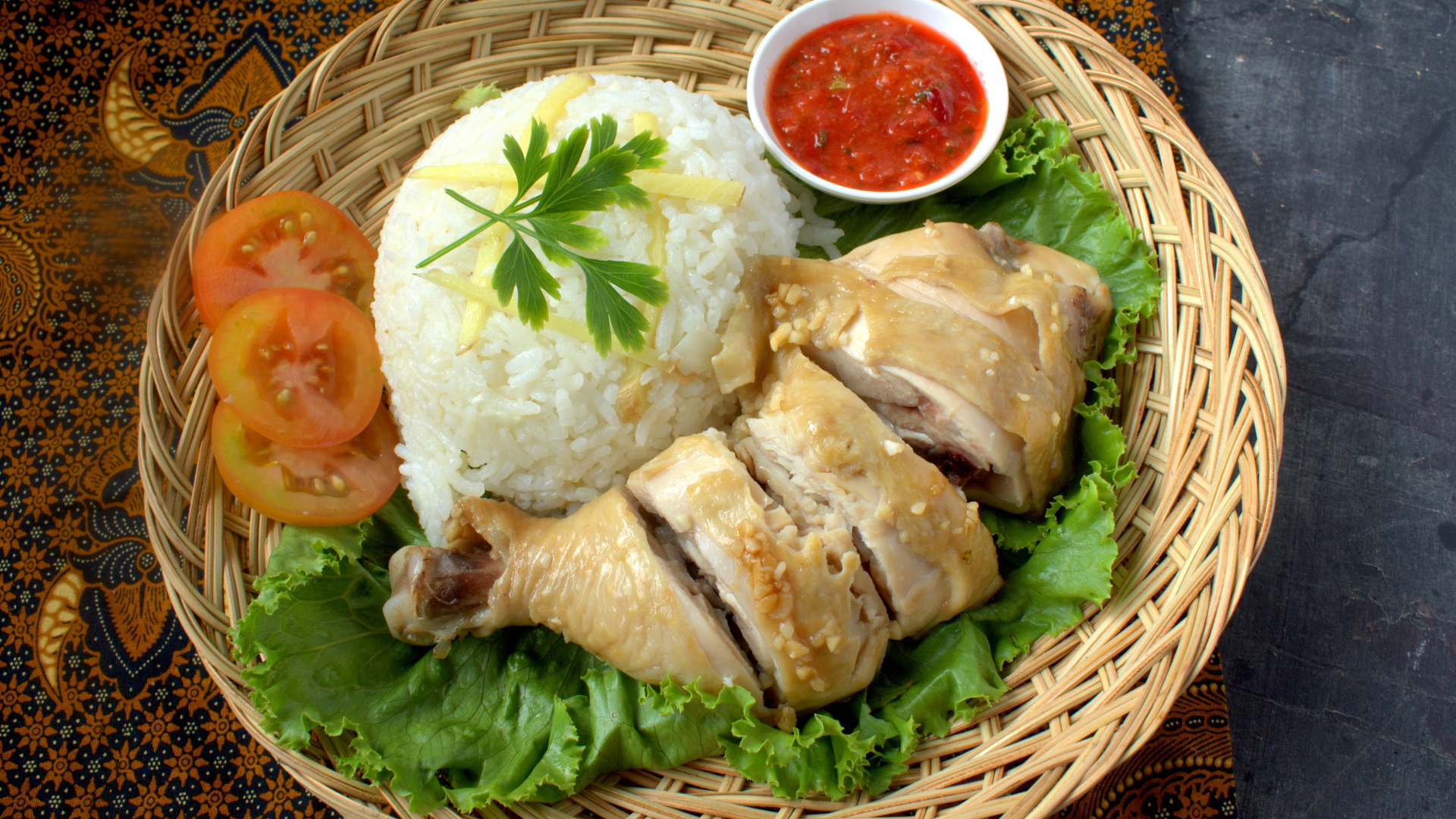
** A familiar plate of chicken rice, simple, comforting, and built around everyday staples.
After a long day, there are evenings when cooking is not the problem. Having the energy to cook is.
You still want something warm and comforting, but the thought of preparing several dishes, watching the stove and cleaning a pile of pans afterwards is enough to make dinner feel like another task.
That is one reason one-pot meals have become so appealing, particularly for people living alone, couples and smaller families. Put the ingredients together, start the cooking and let one appliance handle most of the work.
A rice cooker can fit surprisingly well into that kind of life.
It can still make the bowl of rice it has always been trusted with. But depending on the model, it can also turn rice into a complete meal, steam part of dinner at the same time, prepare porridge or congee without constant watching, and keep food warm until you are ready to eat.
That makes the interesting question less about what a modern rice cooker can do and more about how much of dinner it can quietly take off your hands.
One-Pot Rice Can Be Dinner, Not Just a Side
Rice does not always have to sit beside dinner.
Sometimes it can become dinner.
Seasoned rice cooked with mushrooms, vegetables, pieces of meat or other suitable ingredients can turn a familiar staple into a complete one-pot meal. Depending on what you enjoy eating, that might mean a simple mixed rice, claypot-inspired combination, chicken and mushroom rice, tomato rice or a variation built around ingredients already in the fridge.
For someone coming home tired, this is where the rice cooker becomes much more interesting.
There is no separate pot of rice waiting for another dish to be cooked beside it. Everything is heading toward the same meal.
You prepare the ingredients, start the cooker and leave it to work while you shower, change clothes or simply sit down for a while.
There are limits, of course. The cooker still needs the correct balance of rice and liquid, and ingredients must be suitable for the cooking programme being used. When adding meat or other foods that require thorough cooking, it is sensible to follow recipes and instructions intended for your particular machine.
But once you know a few combinations that work, they can become the kind of meals you return to precisely because they demand so little attention.
Porridge Is Useful Far Beyond Breakfast
Porridge and congee deserve more attention than they usually receive in discussions about rice cookers.
For many Asian households, congee is not simply breakfast.
It can be lunch, dinner or the meal someone asks for when they do not feel like eating very much.
It is soft, warm and easy to eat, which is why it often appears when someone is unwell, recovering, has little appetite or simply wants something gentle rather than a heavy meal. It can also be a practical option for older family members who prefer softer foods.
Cooking porridge on the stovetop can require more attention than such a simple dish seems to deserve. The pot needs watching, the heat may need adjusting and anyone who has cleaned porridge after it has boiled over knows how quickly a quiet meal can become an annoying one.
A rice cooker with a proper porridge or congee programme changes that.
Add the ingredients, select the setting and let the cooker manage the cooking without needing someone to stand nearby worrying about the pot.
Then the plain base can stay simple or be finished according to whoever is eating it, perhaps with shredded chicken, egg, fish, vegetables, ginger or whatever is familiar in the household.
That is the kind of function that can justify choosing a more capable rice cooker, because it answers a real need rather than merely adding another button.
The Steam Basket Can Finish the Meal Above It
A steam basket may look like a small accessory, but it can change what dinner looks like.
While rice cooks below, another part of the meal can steam above.
Dumplings can warm through. Greens can cook gently. Tofu, egg dishes or other suitable foods can be prepared without needing another saucepan on the stove.
Not everything needs the same amount of time, so some foods may be added later in the cooking cycle. Once you understand the timing, though, the idea is wonderfully practical.
One appliance can take care of two parts of dinner at once.
For a single person or couple, particularly, that can be enough for a complete evening meal without turning on several appliances.
And on nights when the rice cooker is already going to be used anyway, getting another job from the same heat feels much more useful than having a long list of rarely touched programmes.
Sometimes the Best Feature Is Being Able to Walk Away
There is something particularly useful about cooking that does not need to be watched.
The rice cooker does not ask you to stand beside it deciding whether the heat is too high or whether something needs another stir.
That matters more on a tired evening than it does when reading a product description.
You can start dinner and do something else.
You can prepare the meal before another family member comes home.
You can get rice going while attending to children, finishing work or taking care of something elsewhere in the house.
And when the cooking finishes, keep-warm functions on many models mean dinner does not immediately become a race against the clock.
For families eating at slightly different times, that can be particularly helpful.
Convenience is not always about making food faster.
Sometimes it is about not having to organise yourself around the cooking.
A Timer Can Make Dinner Feel Half Done Already
A delay timer is another feature that can seem ordinary until it becomes part of the routine.
For suitable foods, the cooker can be prepared in advance and programmed so that the rice is ready closer to when you expect to eat.
That can be useful when evenings follow a reasonably predictable schedule.
Instead of walking through the door and beginning the first part of dinner, one part may already be waiting.
If you regularly use the rice cooker alongside another quick dish, that can make the difference between starting dinner from zero and feeling as though dinner is already halfway there.
This is why I would value a good timer and keep-warm function above many novelty programmes.
They solve problems that happen repeatedly.
More Functions Only Matter If They Replace Work
Modern rice cookers can come with programmes for brown rice, mixed rice, porridge, soup, slow cooking, steaming, cake and more.
That sounds impressive, but not every household needs all of it.
If you mainly eat plain white rice with other dishes, a simple cooker may still be exactly right.
But if you can already imagine using the machine for mixed-rice dinners twice a week, congee when someone wants something light, steaming alongside rice and perhaps a soup or slow-cooked dish occasionally, a multifunction model begins to earn its place.
That is the difference I would look for when shopping.
Choose a Size for the People You Usually Feed
It is tempting to buy a larger cooker because more capacity sounds more useful.
But a smaller household may be better served by a smaller machine that handles everyday portions comfortably and does not dominate the counter.
Someone cooking for one may want enough for dinner and perhaps leftovers for tomorrow.
A couple may regularly prepare two to four portions.
A larger family naturally needs more room.
Rice-cooker sizing can also be confusing because the supplied rice cup is often smaller than a standard US measuring cup, and brands do not always describe capacity in exactly the same way.
So rather than relying on the largest number on the box, look at the amount of uncooked rice the cooker is designed to handle and compare that with what you normally make.
The useful size is the one that suits an ordinary meal, not the biggest gathering you might host once a year.
If You Cook More Than Rice, Cleaning Becomes More Important
Plain rice is relatively uncomplicated.
Start cooking seasoned meals, porridge and other dishes and the inside of the cooker has more to deal with.
Steam carries aromas upward. Sauces and seasonings can leave residue. Porridge can reach places plain rice never does.
That is why removable lids, accessible steam vents and an inner pot that is straightforward to wash become more important on a multifunction cooker.
If you intend to experiment with one-pot meals, I would look at the cleaning design almost as carefully as the cooking programmes.
The easier it is to wash after dinner, the more willing you will be to use those extra functions again.
It Does Not Have to Become a Multicooker
A rice cooker does not need to do everything.
That is part of its appeal.
It can remain the appliance that reliably handles rice while occasionally doing a little more when life calls for it.
A warm one-pot dinner after work.
Congee when someone in the family is not feeling well.
Something steaming above the rice instead of another pan on the stove.
A meal waiting on keep-warm because everyone is not ready to eat at exactly the same time.
Those uses are not flashy.
They are useful.
And for a single person, a couple or a small family trying to put a warm meal on the table without spending the entire evening cooking, that may be where a modern rice cooker earns its place most convincingly.
Explore Essentials