
Which Fan Is Right for Your Room?
** As an Amazon Associate we earn from qualifying purchases.
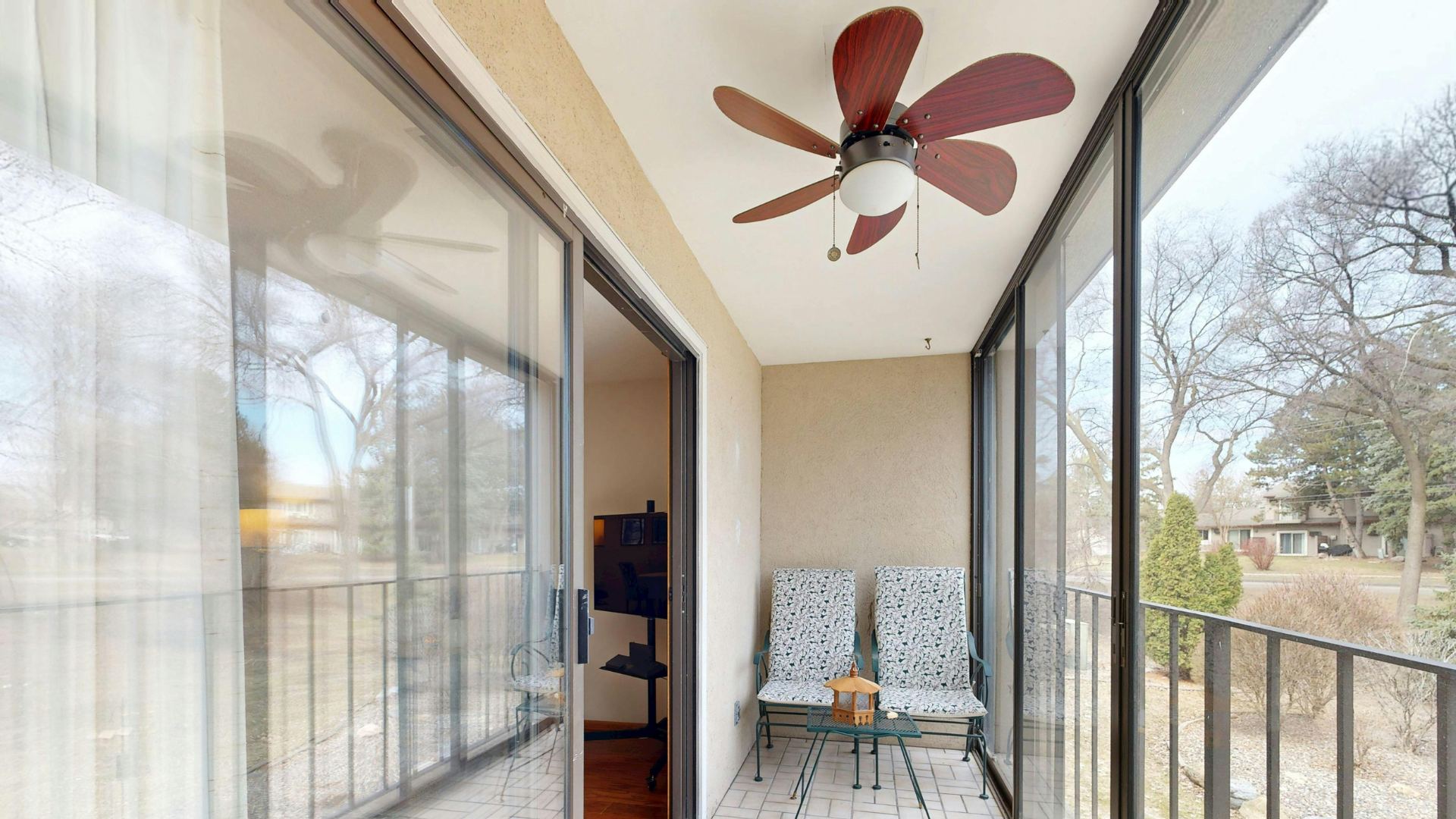
** Sometimes a gentle, steady flow of air is all a warm room needs.
A room can feel uncomfortable long before it becomes hot enough to switch on the air conditioning. Maybe the afternoon sun has been coming through the windows, cooking has warmed up the kitchen, or the bedroom simply feels stuffy by evening.
A fan can be enough to make the room feel better, but choosing one is not only about how powerful it is. Where you plan to use it, how much space you have, whether you need to move it and how much noise you can tolerate all matter.
The easiest way to narrow it down is to start with how you actually use the room.
When a Ceiling Fan Makes Sense
A ceiling fan works well in a bedroom, living room or other space where you regularly want air moving.
Its biggest advantage is simple: it does not take up any floor space. Once installed, there is nothing to move around or find a place to store. Models with built-in lighting can also replace a separate ceiling light, which can be useful when you want one fixture doing both jobs.
Before choosing one, check the room size, ceiling height and blade span rather than simply buying the largest fan available. A fan that is poorly sized or positioned may not circulate air as effectively as expected.
A ceiling fan may be less suitable if you rent, do not want installation work or only need extra airflow occasionally.
When You Want the Fan to Move With You
A stand fan is usually the easiest choice when you want airflow in different places at different times.
You might use it beside the sofa during the afternoon, move it closer to the dining area at dinner, then bring it into the bedroom later. Adjustable height and oscillation also make it easier to direct the air towards where people are actually sitting.
The downside is the space it occupies.
That may not seem important until you are walking around the base every day or trying to find somewhere to keep the fan when it is not needed. In a smaller home, the footprint can matter almost as much as the fan speed.
When Floor Space Is Limited
A tower fan can be easier to fit beside a sofa, desk or bed because of its narrow shape.
Most offer several speed settings, oscillation and timers, while some include remote controls or additional functions. Their slimmer shape can also feel less bulky in a room than a traditional pedestal fan.
If easy cleaning is important to you, look closely at the design before buying. Tower fans still collect dust around their vents and internal parts, and some are much easier to clean than others.
Bladeless fans are another option. Their open design can make visible surfaces easier to wipe down, although they are often considerably more expensive.
For Bedrooms, Noise Matters
Fan noise is easy to ignore during the day and surprisingly difficult to ignore when everything else becomes quiet.
If you plan to use the fan beside a bed, desk or reading chair, check whether the manufacturer provides a noise rating and whether the model has a sleep or quiet mode.
Also think about how you normally use a fan. A model that is quiet only on its lowest setting may not be very useful if you need stronger airflow most of the time.
Some people enjoy the steady background sound of a fan, while others notice every change in speed. It is worth knowing which type of person you are before bringing one into the bedroom.
What to Check Before You Buy
Long lists of features can make fan shopping more complicated than it needs to be. I would pay more attention to the things that affect everyday use.
Room size: Is the fan suitable for the space where you plan to use it?
Placement: Do you have enough floor space, or would a ceiling fan make more sense?
Noise: Will you use it while sleeping, working or watching television?
Cleaning: Can you easily reach the areas where dust is likely to collect?
Controls: Would a timer or remote genuinely make the fan easier to use?
Storage: If the fan is portable, where will you keep it when it is not needed?
Extra functions can be useful, but only if they solve a problem you actually have.
Help the Fan Do Its Job
A fan moves air around you. It does not lower the temperature of the room itself, so a few simple changes can sometimes make it work more effectively.
Close curtains or blinds when strong sunlight is heating the room. Open internal doors when you want air to move between spaces. If the air outside is cooler, an open window or balcony door may help bring fresher air through the home.
Then think about where the fan is positioned rather than automatically placing it in the nearest empty corner.
For most homes, the right fan is not necessarily the most powerful or expensive one. It is the one that suits the room, fits comfortably into everyday life and gets used often enough to justify the space it takes up.